AI Agent Deployment Guide for Real Operations
This AI agent deployment guide shows SMB leaders how to select workflows, protect data, test controls, train teams, and measure operating value safely.
An AI agent that can write a clever email but cannot access the right customer record, follow an approval rule, or explain what it did is not an operational system. It is a demo. This AI agent deployment guide is for business leaders who need the opposite: a working system that removes repetitive work while keeping people responsible for decisions.
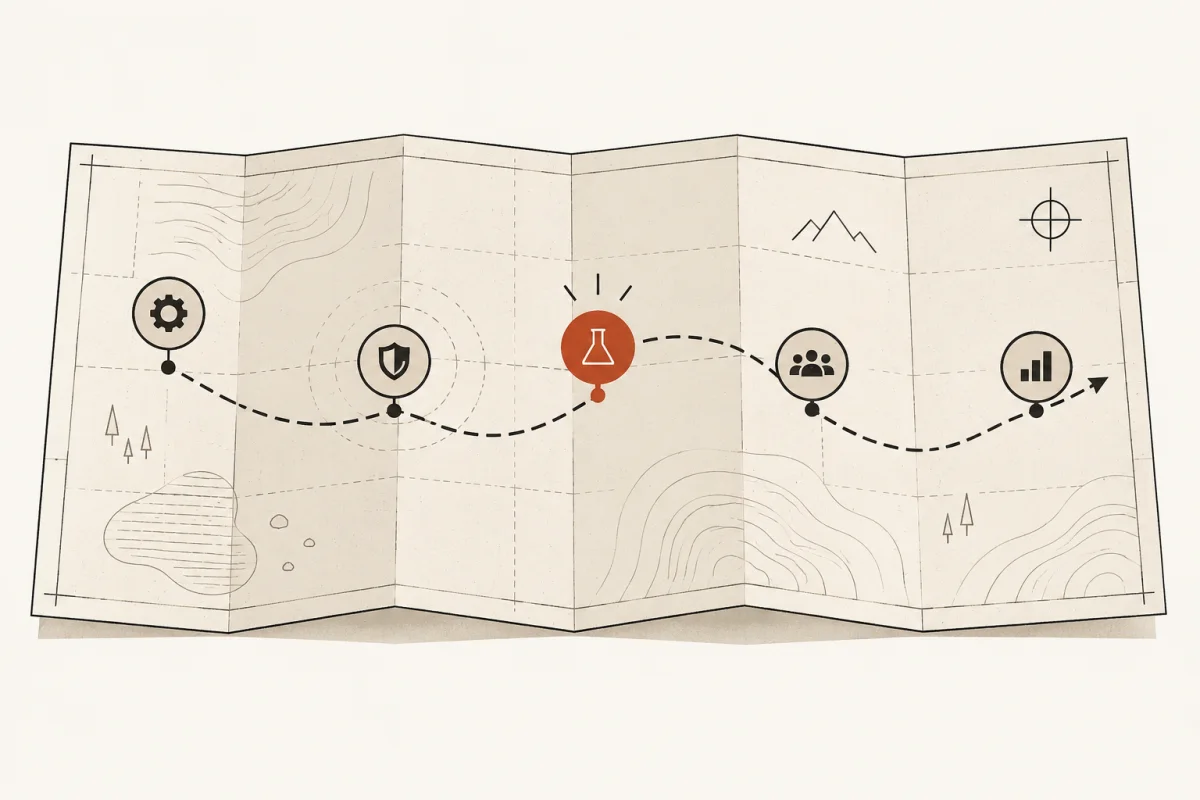
The deployment question is not, "Which agent should we buy?" It is, "Which costly workflow can we safely improve, using the data and tools we already have?" Get that answer right before you configure anything.
Start With a Workflow That Has a Real Cost
Do not begin with a broad mandate to "use AI." Start with a workflow that is frequent, time-consuming, and defined well enough to measure. Good candidates usually involve staff moving information between systems, reviewing the same documents repeatedly, preparing standard communications, or waiting on incomplete information before a decision can move forward.
Examples include intake teams qualifying leads and creating records in a CRM, construction offices extracting job details from plans and emails, accounting staff preparing client-document checklists, or service managers summarizing support requests before assigning them. The best first deployment is usually not the most impressive use case. It is the one with a visible baseline and a clear owner.
Put a number on the current cost. Track volume, average minutes per transaction, rework rate, response time, and the fully loaded cost of the people doing the work. If a workflow consumes 25 hours a week but occurs only during one busy month each year, it may rank below a less glamorous task that consumes six hours every week.
A useful first-pass formula is:
Annual labor opportunity = weekly hours reduced × loaded hourly cost × 52
That number is not guaranteed savings. Some time will be redirected into client service, sales, quality control, or higher-value work. But it gives the project a commercial threshold. If nobody can describe the cost of the current process, nobody can credibly judge the return on the new one.
Define the Agent's Job Before Choosing Its Tools
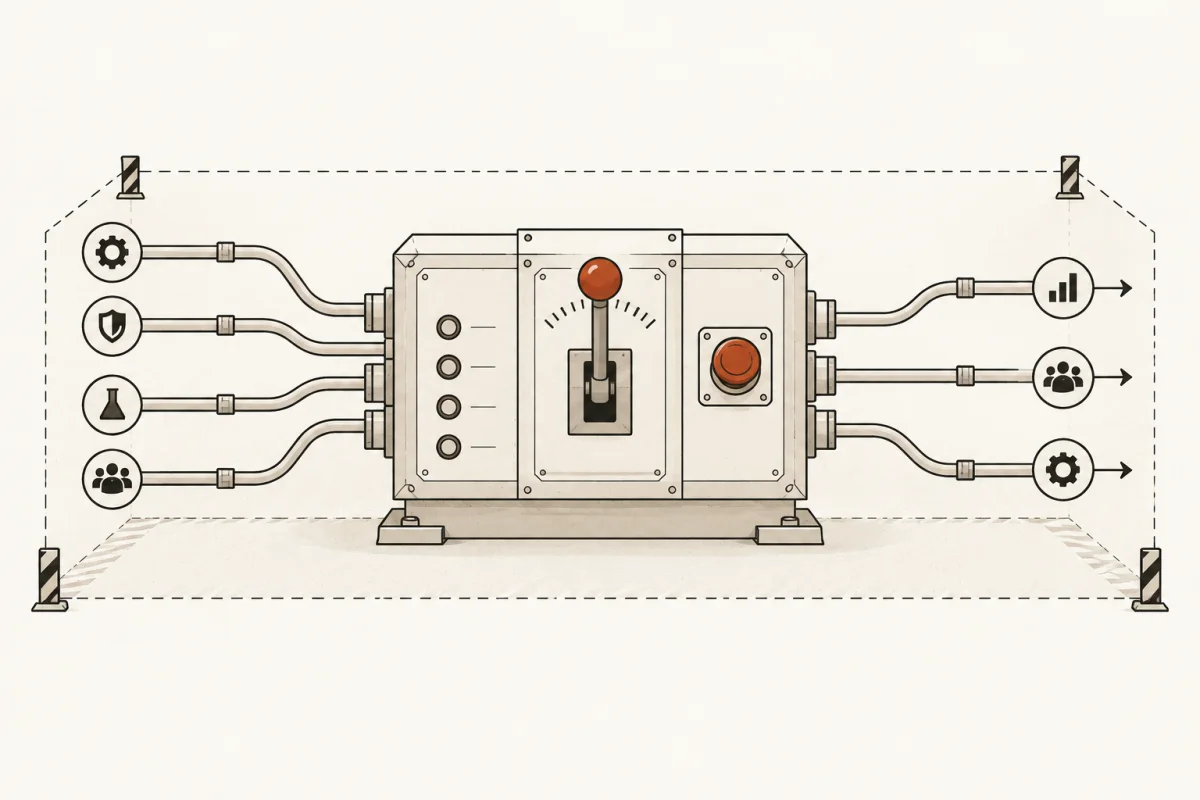
An agent should have a narrow operating charter. Write it in plain language: what starts the work, which sources it may use, what output it creates, which actions it can take, and where a person must decide.
For example, a lead-response agent may monitor a shared inbox, identify inquiries that match defined service criteria, create a draft response using approved language, and log the lead in the CRM. It should not quote nonstandard pricing, promise availability, or send a contract without review. Those are judgment calls with financial and reputational consequences.
This is where many deployments fail. Teams ask an agent to "handle sales" or "manage operations," then discover that their actual process contains exceptions, undocumented rules, and decisions made from experience. AI can support those decisions. It should not quietly inherit accountability for them.
Define four boundaries before build work starts:
- Inputs: The documents, systems, fields, and messages the agent can read.
- Outputs: The summaries, drafts, records, tasks, or reports it produces.
- Actions: What it can create, update, route, or send without intervention.
- Escalations: The confidence thresholds, exceptions, and approvals that require a person.
The more consequential the action, the tighter the control should be. An agent can safely draft a follow-up email under broader rules than it can use to alter a patient record, submit an insurance recommendation, approve a payment, or issue a legal response.
Fix the Data Path, Not Just the Prompt
Most operational AI problems are data problems wearing an AI label. Customer details may live in a CRM, job data in field software, documents in a file drive, conversations in email, and billing history in accounting software. If those systems are disconnected or inconsistent, an agent will repeat the confusion at speed.
Map the data path for the selected workflow. Identify the system of record for each fact, the fields that are required, and the source that wins when two systems disagree. Establish whether the agent needs live access, scheduled synchronization, or a controlled export. Live access is useful for fast-moving workflows, but it adds integration complexity and requires careful permissions.
Do not load every document your company has into an AI tool because it feels comprehensive. Give the agent the minimum data it needs to perform its job. Separate sensitive information where possible, restrict access by role, and maintain logs showing what data was used and what action followed.
For regulated or confidential work, the deployment plan should answer direct questions: Are identifiers leaving the organization? Which vendors process the data? How long is it retained? Who can review logs? What happens if an employee asks for a record to be corrected or deleted? If the provider cannot answer these questions in writing, the system is not ready for production.
Build Human Control Into the Workflow
Human review is not a sign that the deployment failed. It is how a company puts AI in the correct place in the chain of responsibility.
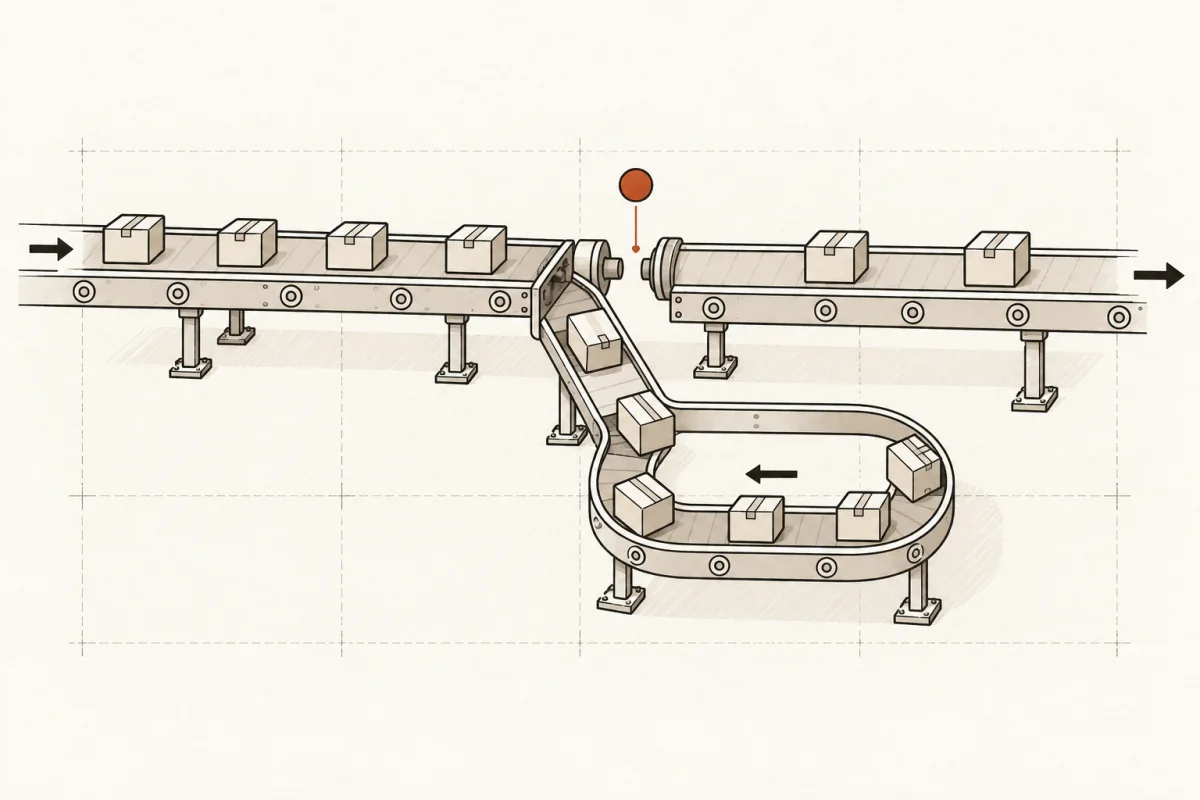
There are three practical control models. In a draft-and-review model, the agent prepares work and a person approves it. In an exception-review model, the agent completes routine cases and sends uncertain or high-risk cases to a queue. In a fully automated model, the agent executes predefined low-risk actions and keeps an audit trail. Most small and mid-size businesses should begin with the first model, then earn the right to automate more after performance data is stable.
Every production agent needs an override path. Staff must be able to stop an action, correct an output, and flag a bad result without filing a technical ticket. The correction should become useful feedback for improving instructions, data mapping, or routing rules. If the team has no practical way to challenge the agent, they will either avoid using it or trust it when they should not.
Test Against Real Work, Including the Messy Cases
A polished test using five clean examples proves very little. Test the agent against a representative set of completed work: straightforward cases, incomplete requests, conflicting data, unusual language, time-sensitive cases, and known exceptions.
Measure more than whether the output sounds reasonable. Check factual accuracy, correct source selection, adherence to policy, completion time, handoff quality, and error severity. A minor formatting issue is not equivalent to sending a customer the wrong pricing information.
Set acceptance criteria before the pilot. For a document-intake agent, that might mean correctly extracting required fields in 95% of standard cases, routing every uncertain case to a reviewer, and reducing preparation time by at least 40%. For a lead-response agent, it could mean a first response within five minutes during business hours while maintaining approval for all custom quotes.
Run the pilot with a small group of experienced users. They know where the process breaks, and their objections often reveal requirements that never appeared in a process map. Do not treat those objections as resistance. They are operating knowledge.
Train the Team on What Changed
Deployment is not complete when the software goes live. It is complete when the people responsible for the workflow know what the system does, what it does not do, and what to do when it is wrong.
Training should be tied to the actual job. Show staff how to review outputs, submit corrections, manage escalations, and recognize cases outside the agent's scope. Supervisors need reporting that shows usage, exceptions, turnaround time, and unresolved issues. Owners need a simple view of whether the promised operating value is appearing.
Adoption matters because unused automation has no return. In one Main & Machine deployment, 14 agents across seven departments returned 1,240 preparation hours in 90 days while reaching 93% weekly use. That result did not come from handing employees a chatbot. It came from placing defined systems inside work people already had to complete.
Measure Results After Go-Live and Change What Is Not Working
Track the baseline metrics you set at the start, then review them weekly during the first month and monthly afterward. Look at labor hours, turnaround time, throughput, error rate, escalation volume, adoption, and customer-facing outcomes where relevant.
Expect the first version to expose process gaps. If an agent frequently escalates a certain request, the problem may be unclear policy rather than weak technology. If adoption is low, the system may add steps instead of removing them. If output quality varies, inspect the source data and instructions before assuming the model is the issue.
A deployment should have a named business owner and a named technical owner. The business owner decides whether the workflow is producing value and whether rules match reality. The technical owner maintains integrations, permissions, monitoring, and changes. Without both roles, agents become orphaned tools that slowly drift away from the operation they were meant to support.
Know When Not to Deploy Yet
Sometimes the correct answer is to pause. If the workflow has no consistent process, no reliable source data, no accountable owner, or no meaningful volume, automation may simply make disorder faster. Standardize the work first.
Likewise, do not force an AI agent into a role where relationship judgment, legal accountability, or safety decisions cannot be meaningfully reviewed. The goal is not maximum automation. The goal is a better operation with clear responsibility.
The useful test is simple: after the agent goes live, can your team point to work that is faster, more consistent, and easier to oversee? If the answer is yes, you have built infrastructure. If the answer is only that the agent is interesting, keep it out of production.
Where this shows upWhat we actually build →