What a Construction Estimator Should Never Automate
The machine may count. The estimator still sends the number.
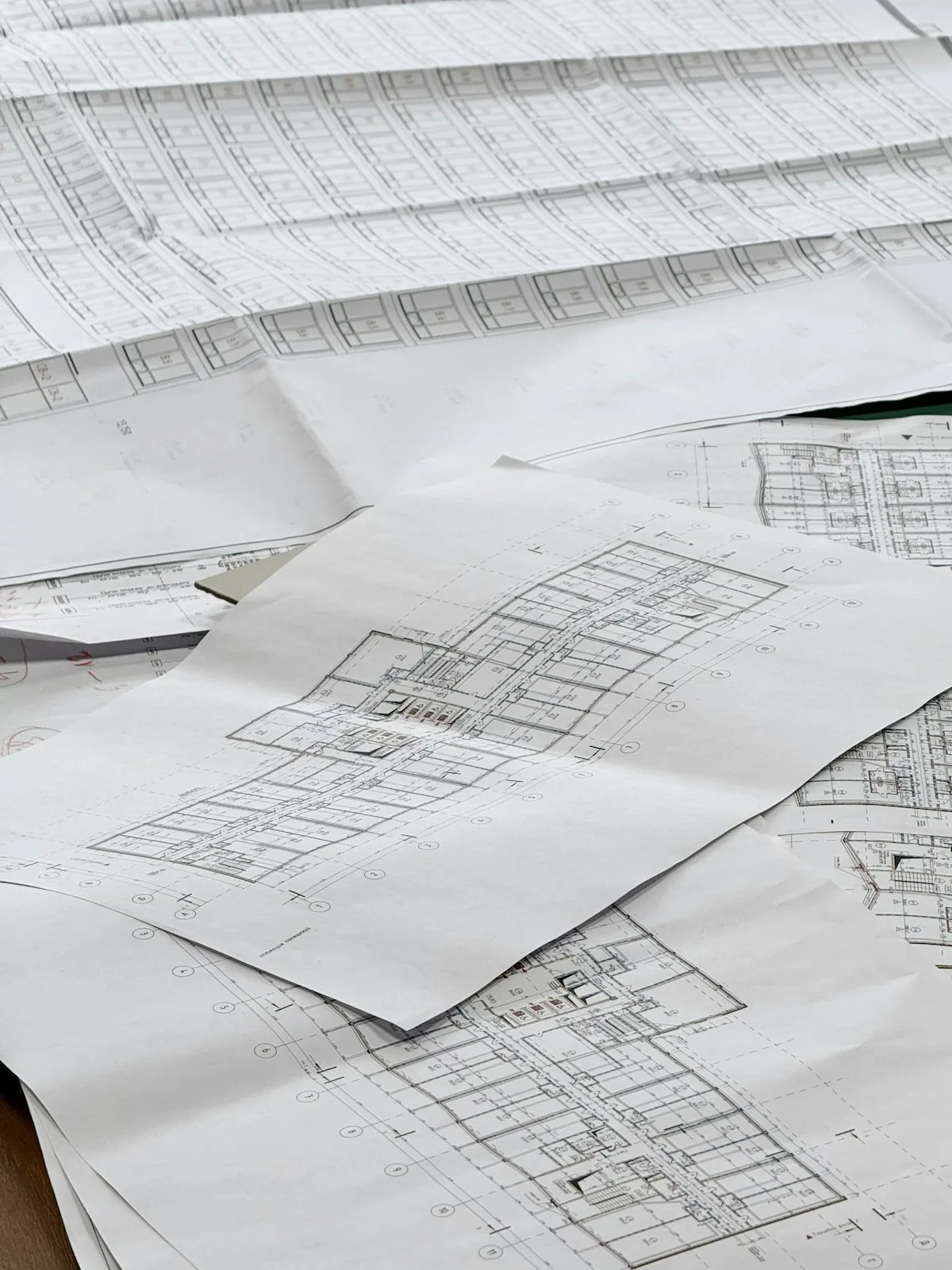
The dangerous part of estimating AI is handing it the bid. James Geisel, a project manager at Hispanic Ventures, a painting and wall-covering shop in Philadelphia, told Gene Marks of the Philadelphia Inquirer on August 11 that a takeoff tool now does the time-consuming measurement work. The tool identifies walls, ceilings, substrates, and finish areas, then calculates square footage, linear footage, and quantities, and his estimators still apply judgment to labor pricing, logistics, risk, and competitiveness. Treat that as Marks's interview, with Hispanic Ventures as his source rather than a shop we built for.
There's absolutely nothing wrong with saving the counting night, which is the part the software actually earns. After all, bids die in the backlog because assembling one takes a night you do not have. An agent can pull the takeoff details, your past jobs, and current costs into a working draft, and that draft is the useful part. The number that goes out the door is still the estimator's, and that is the line that matters.
I know the shove, because I ran MARCUS on my own lender first, at B:Side, before I offered it to anyone else. The rule we wrote is the same rule that belongs on a bid: MARCUS prepares the work, and people decide, and nothing sends, files, posts, or pays until a person approves it. MARCUS never decides eligibility, credit, or price; those numbers come from systems, never from memory. Silence never means yes. A bid that leaves without a person on it is that silence, with a dollar sign attached.
Let the machine take the night
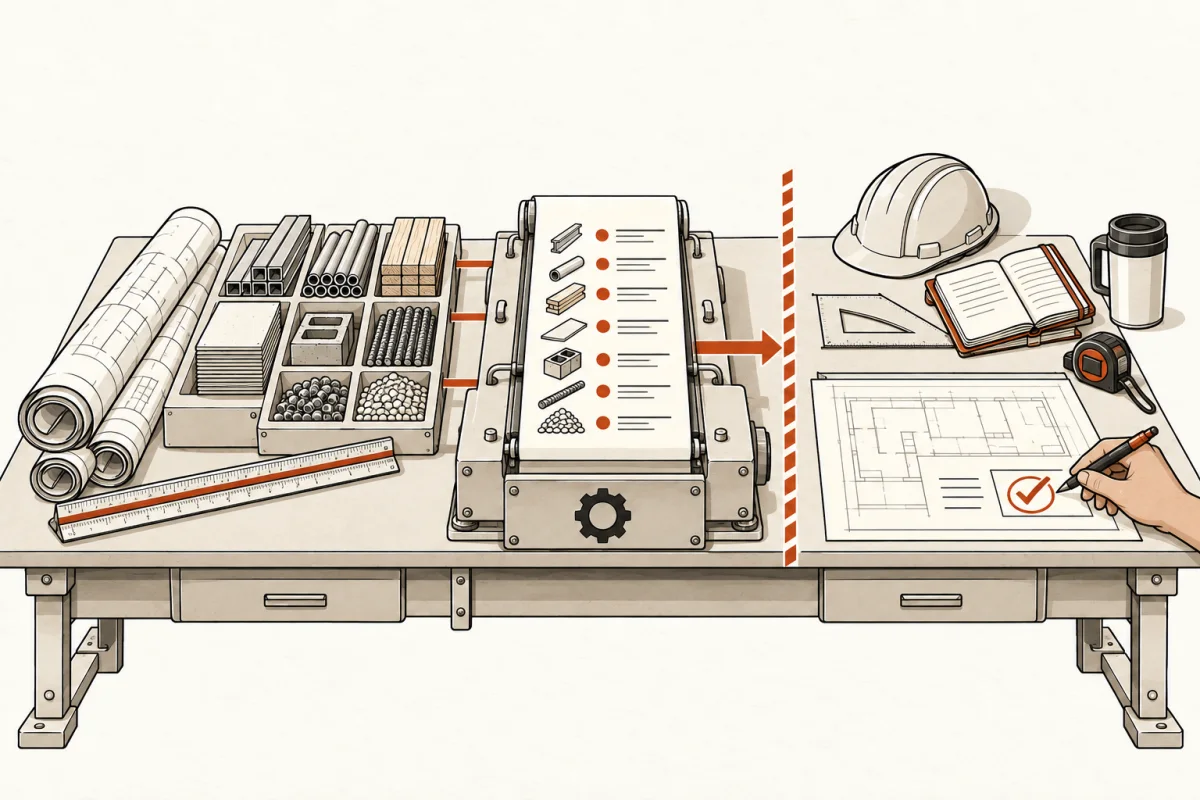
What the machine may do is the assembly, and a bid night is mostly gathering: the drawings land, someone measures, someone hunts last year's comparable, someone updates material, and then a person has to decide whether the number can leave. The machine can take the first three of those steps without touching the fourth. It can read a drawing, mark the walls and openings, count linear footage, and stack quantities the way the takeoff tools already do, then pull last year's similar jobs and current material costs into a working draft so the estimator is not starting from a blank sheet. Stop there. That is an illustrative build, not a named contractor we served. The one build I can name is MARCUS, and the analog is the prep: gather, check, draft, then wait for a person.
On the Front Range the paper pile has another clock besides the bid night. Colorado's trust-fund statute is unforgiving: the documentation either exists on the 25th or the cash moves a month late, and the first build we most often scope there is pay applications, lien waivers across four tiers of sub, and certified payroll, which is adjacent work. This piece is about the bid.
The estimator still owns the number
What the estimator must keep is everything that turns a quantity list into a bid. Labor is local, because who is available, what the site actually looks like, and whether the crew can get in and out without eating the margin are not quantities a drawing will give you. Risk and contingency sit with the person who has already lost money on a similar job, and they belong there. Competitiveness is a call about the GC, the market, and whether you even want the work at that price. A quantity list that is wrong is an embarrassing morning; a bid that is wrong is a job you cannot staff, or a job you win and then bleed. Sending the number is the last act. The machine does not get it.
The tool counts, and the estimator prices. Nobody should pretend the model remembers yesterday's labor rate, or that a finished-looking draft is a finished bid.
Count. Don't send.
Yes, count with the tool. The counting night is a real night, and taking it back is the point of the software. Don't let the same stack price from memory or fire the bid while nobody is looking. A number recalled from a model is the estimating version of a price MARCUS is forbidden to invent. Lookup is allowed; recollection is not, and if the cost does not come from your system of record, it does not belong in the draft as if it did.
I don't know yet whether your shop's bottleneck is takeoff, the pay-app cycle, or the RFI sitting in someone's inbox. Arizona's twenty-day preliminary notice is a different clock than a bid night, and a column cannot name your constraint from here.
If you're wondering where this fits your own shop, the AI-Ready Score will tell you in about seven minutes. Fourteen questions, no typing, and it names the one constraint holding you back.
Where this shows upWhat we actually build →