What an AI Support Retainer Should Actually Cover
An AI support retainer keeps your systems useful after launch, with monitoring, fixes, training, and clear ownership for real operational results weekly.
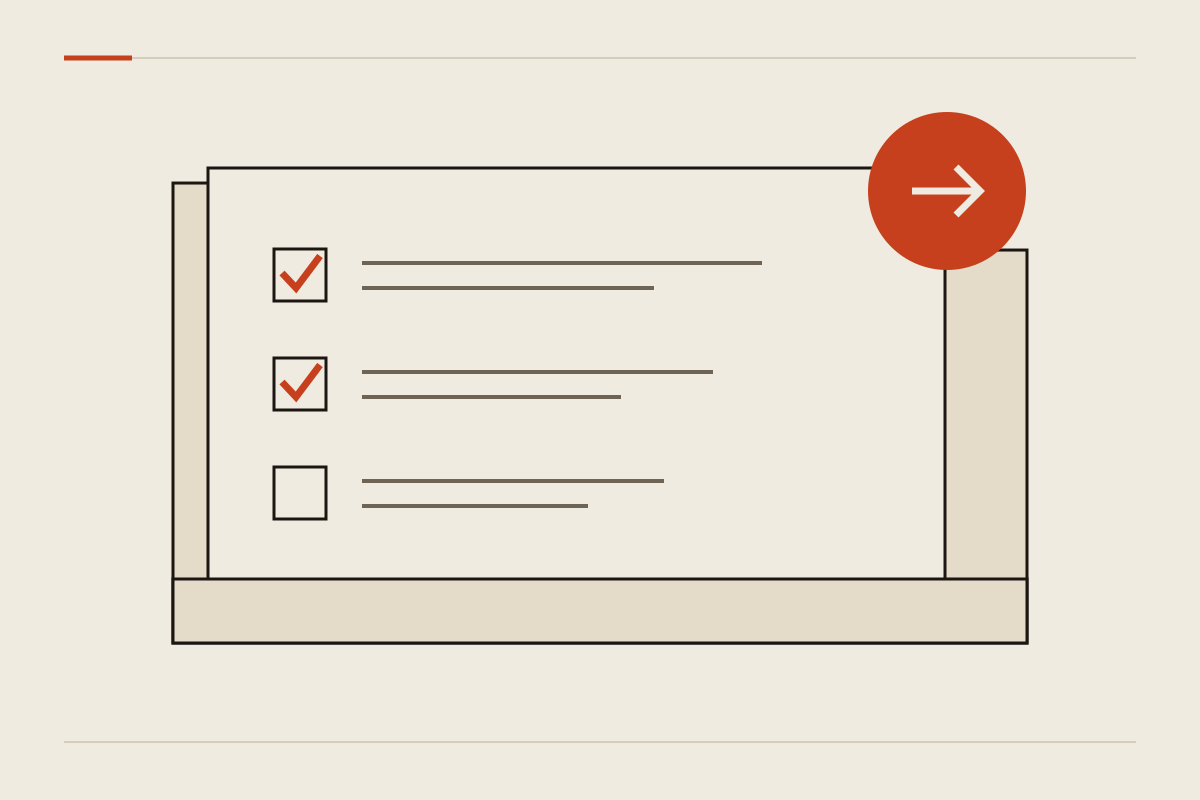
A working AI system does not stay working because it went live. A lead-routing agent will encounter an unusual inquiry. A vendor changes an API. A team member finds a better way to handle an exception. An AI support retainer is the operating agreement that keeps those real-world changes from turning a useful system into another abandoned software subscription.
For small and mid-size businesses, this is not a reason to buy endless consulting hours. It is a reason to define what happens after implementation: who watches the system, who fixes problems, who approves changes, and how the business keeps human judgment in the loop.
An AI Support Retainer Is Not a Strategy Subscription
A retainer should support systems already connected to real work. That may include an AI agent that prepares client intake summaries, an automation that moves job data from a field app into accounting, or a unified data layer that gives a manager one reliable view of pipeline activity.
It should not be a vague monthly promise to “advise on AI.” If a provider cannot name the workflows, systems, response expectations, and decision owners covered by the agreement, you are buying availability rather than operational support.
The difference matters. A strategy deck can describe what AI might do. Support work keeps a deployed process accurate, secure, adopted, and useful when conditions change.
What the Retainer Should Cover
The right scope depends on the systems in production, but a serious AI support retainer usually has four parts: monitoring, maintenance, improvement, and accountability.
Monitoring and incident response
Someone needs to know when a workflow stops, slows down, returns an incomplete result, or starts producing output that does not match the business rule it was built to follow. That means checking system health, error logs, integration status, usage, and exceptions.
Not every issue deserves the same response. A broken intake workflow that prevents new leads from reaching the sales team is urgent. A request to revise the wording in an internal draft template is not. Your agreement should define priority levels and realistic response windows in writing.
Maintenance when connected tools change
AI systems depend on more than the model. They depend on your CRM, practice-management platform, inbox, accounting software, forms, permissions, and data structure. Any one of those can change.
Maintenance includes fixing integration failures, updating authentication, adjusting field mappings, and testing changes before they affect live work. It may also include reviewing vendor model changes when they affect quality, cost, or data handling.
This is why a retainer cannot be priced honestly without understanding the actual environment. Supporting one contained workflow is different from supporting a multi-department operation with several agents and sensitive internal data.
Controlled improvement work
The first version of a system should be useful, not treated as sacred. Once staff use it every week, they will identify missing exceptions, unclear handoffs, and opportunities to reduce another manual step.
A good retainer reserves a defined amount of improvement capacity or establishes a clear process for approving changes outside routine maintenance. Small adjustments can be handled inside the monthly scope. A new department workflow, a new software integration, or a major data-model redesign should be scoped and priced as a separate build.
That boundary protects both sides. The client does not get surprised by an open-ended bill, and the provider does not pretend that a new project is “included” in support.
Training, adoption, and ownership
A system that staff avoid has no return on investment. Support should include practical help when roles change, new employees join, or a process is updated. It should also track whether people are actually using the system as intended.
Training is not a one-time screen recording. It is making sure the team knows what the AI can do, when it should be overridden, where to report a problem, and who owns the final decision. Especially in legal, financial, healthcare, and client-service work, the system can prepare, sort, flag, and recommend. A responsible person still approves the consequential action.
Define the Limits Before You Sign
The most expensive retainers are often the ones with the least defined scope. “Unlimited support” sounds simple until every new idea, system issue, and internal request gets folded into one monthly fee.
Ask for a service definition that separates included work from project work. Routine monitoring, bug fixes in the implemented workflows, monthly operating reviews, and minor prompt or rule adjustments may belong in the retainer. Building a new agent, connecting a new platform, migrating historical data, or redesigning a broken internal process generally does not.
You also need to establish who can request changes and who can approve them. Without that rule, a helpful system can become a patchwork of one-off requests from different departments. The result is usually higher cost, weaker controls, and confusion about which process is official.
Data responsibility deserves the same precision. The agreement should state what information the system can access, which users have permissions, where logs are retained, and what data must never leave your organization. If the answer is buried in technical language or left to a third-party tool’s default settings, it is not a control.
Measure the Retainer by Business Results
Support activity is not the outcome. A monthly report that lists tickets closed and hours spent may be useful, but it does not tell an owner whether the system is paying for itself.
Measure the workflow that justified the build. For lead operations, that could be response time, follow-up completion, and appointments booked. For a construction business, it may be the time between field documentation and office processing. For an accounting firm, it might be preparation hours returned to staff and the percentage of files that arrive complete for review.
Usage matters too. If only a few people use an agent that was designed for an entire department, find out why. The issue may be training, permissions, poor output, an unnecessary approval step, or a process that was never truly standardized. A retainer gives you a regular place to address those facts instead of hoping adoption improves on its own.
At Main & Machine, that operating discipline is the point: AI should reduce repetitive work while preserving accountable human judgment. A system that is technically impressive but ignored by staff is not infrastructure. It is a demo.
When an AI Support Retainer Makes Sense
A retainer is usually worthwhile when an AI system supports a recurring, business-critical workflow; connects multiple tools; handles sensitive data; or needs ongoing staff adoption and review. It is particularly valuable when downtime creates missed revenue, delayed service, compliance risk, or a return to manual copy-and-paste work.
It may not make sense for a simple, stable automation with few dependencies and an internal owner capable of handling basic changes. In that case, documented handoff, limited on-call help, and periodic reviews may be a better fit than monthly managed service.
The decision is not whether AI needs support in the abstract. The question is what failure costs your business. If a workflow saves ten hours a week but breaks for two weeks without anyone noticing, the lost time can erase the savings quickly. If an employee can correct a low-risk issue in minutes, a large support plan is probably unnecessary.
Questions to Ask Before Committing
Before you agree to a retainer, get direct answers to these questions:
- Which specific systems and workflows are covered?
- What counts as a break, a minor adjustment, and a new project?
- What are the response expectations for urgent and non-urgent issues?
- Who monitors usage, errors, costs, and data-access changes?
- How are changes tested and approved before release?
- Who inside our business owns final decisions and escalation?
- What reporting will show whether the system is producing measurable value?
If the provider answers with generalities, keep asking. Good support is inspectable. You should be able to see the scope, the operating rhythm, the limits, and the person accountable for each decision.
The best retainer does not make your business dependent on a black box. It gives your team a reliable way to keep improving the work that matters, while retaining the authority to stop, override, or change the system when business reality demands it.
Where this shows upWhat we actually build →