What the Machine Cannot Do
After two years of lists about what AI can do, the more valuable list is the other one, and it is the foundation everything durable gets built on.
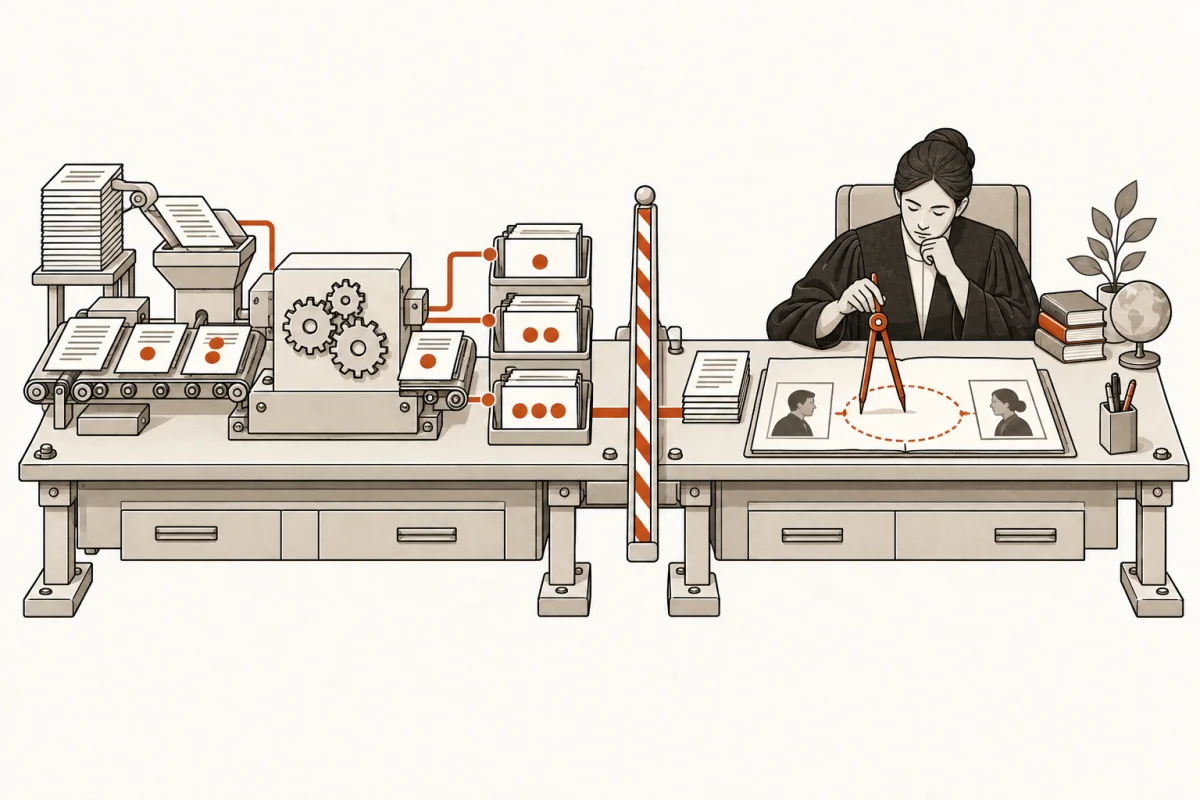
This series has spent thirteen essays on capability: what the machine is, how it learns, what it costs, what it can take off your plate. A fair reader might conclude the inventory of human advantage is shrinking by the quarter.
So let me write the other list, and let me be precise about it, because vague reassurance is its own form of disrespect. The items on this list are structural. They do not depend on the next model being disappointing, and they happen to map exactly onto what was always best in the businesses I have spent twenty-six years around.
The Things on the Other Side of the Line
The machine cannot be accountable. This is the deepest item, and every other one descends from it. A model cannot be fired, sued, embarrassed in front of its peers, or kept awake by a decision. It has no skin in any game. When the work goes wrong, the machine has lost nothing, and your customer knows it, which is why no apology, no guarantee, and no judgment call carries weight until a person with something to lose stands behind it. Responsibility is load-bearing in commerce, and responsibility requires someone who can bear the load.
The machine cannot show up. It cannot crawl the attic, read the room, shake the hand, notice what the client did not say, or earn the trust that comes from being physically present when something breaks at 2 a.m. The trades, the clinics, the kitchens, the site visits: the entire economy of presence stands on the far side of a line no data center crosses. In an age when fluent text costs a fraction of a cent, the premium migrates to what cannot be generated, and presence cannot be generated.
The machine cannot want anything. It has no taste, no stake, no opinion about what is worth doing, only patterns of what has been done. Every prompt is borrowed intention. The choosing of problems, the standard of “good enough to ship under my name,” the feel for which customer to fight for, all of it remains entirely, structurally human.
And the machine cannot know what it does not know. Earlier essays covered hallucination as a quality problem; here it appears in its true form, as the absence of self-doubt. Genuine novelty, the situation outside every pattern, is precisely where it fails most confidently and where experienced judgment earns its keep.
What Happened to the Bank Tellers
Now, the objection, and it is the serious one: fine, but the machine plus one person may replace five, and structural advantages are cold comfort to the other four. I will give that fear its full essay later; it deserves one. Here, I want to offer the pattern that should shape how you read it, because we have run this experiment before.
When ATMs spread through American banking, every commentator wrote the teller’s obituary. The economist James Bessen later documented what actually happened: teller employment rose for decades. The machines made each branch cheaper to run, so banks opened more branches, and the job itself transformed, away from counting twenties and toward relationships, problems, and sales, the parts a machine could not do. The work that survives automation concentrates around the structural advantages. It always has. The cruelty and the opportunity of such transitions live in the same fact: the new job is better, and it is different, and somebody has to manage the difference deliberately.
That somebody is you. The list above doubles as a design brief for every role in your company. The hours the machine absorbs were mostly spent on what it does well, the drafting, the reconciling, the formatting. What remains, what should be deliberately built up in their place, are the hours of accountability, presence, relationships, and judgment. The owners who simply pocket the saved hours leave the most valuable construction project of the decade sitting in the permit office.
This essay is adapted from my book What the Machine Cannot Do: The Irreplaceable Value of Being Human in an Age of AI. Kindle $6.99 · Paperback $19.99 · Hardcover $29.99.
Where this shows upAI for the skeptical owner →