What an Agent Actually Is
An agent is a model with hands, and hands change the arithmetic of both value and risk.
Everything in this series so far describes a machine that talks. You ask, it answers, and nothing in the world moves until a person reads the answer and acts on it.
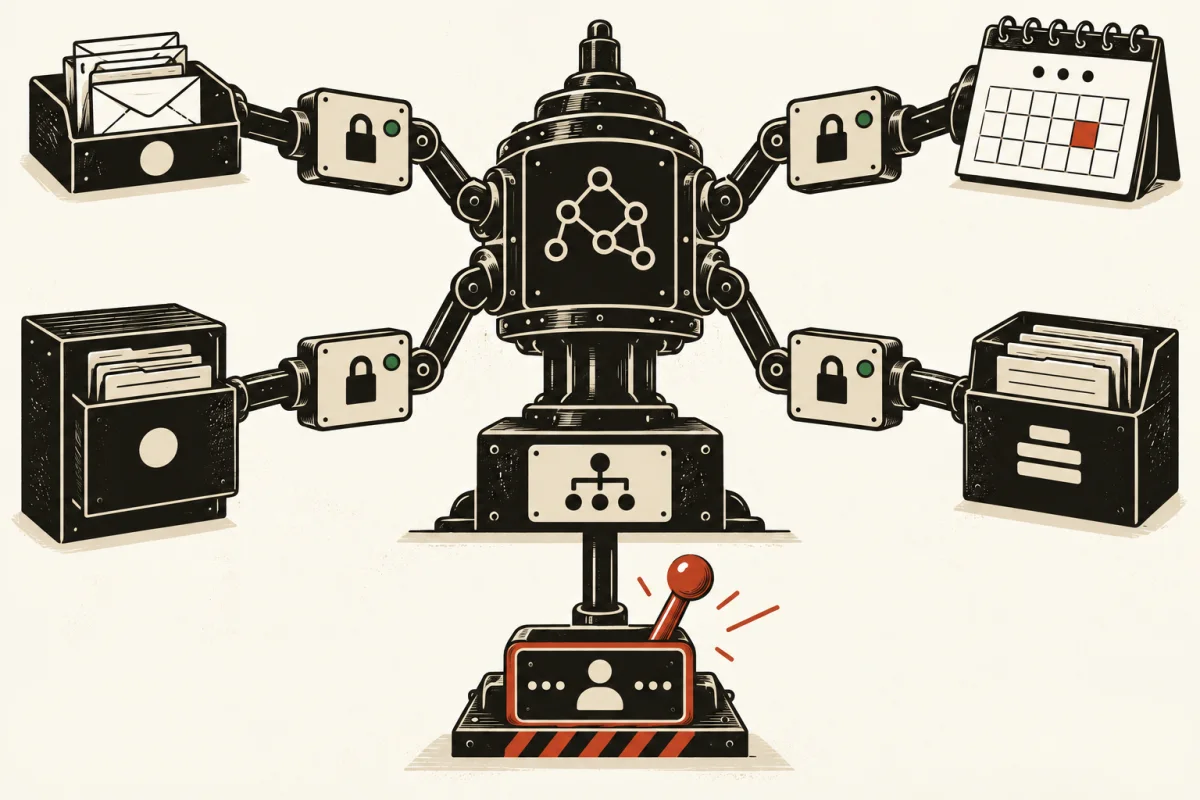
The word you keep hearing, agent, names the next step, and the step is bigger than the syllables suggest. An agent acts. Where a chatbot ends its turn with words on a screen, an agent has been given a goal, a set of tools, and permission to use them: read the inbox, query the database, update the calendar, draft and file the document, then look at what happened and decide what to do next. The loop, plan, act, observe, adjust, repeats until the job is done or a rule says stop and ask a human.
If the chatbot was a brilliant adviser locked in a phone booth, the agent has been handed keys. That is the whole definition, and every promise and every risk in the current conversation flows from it.
What the Hands Change
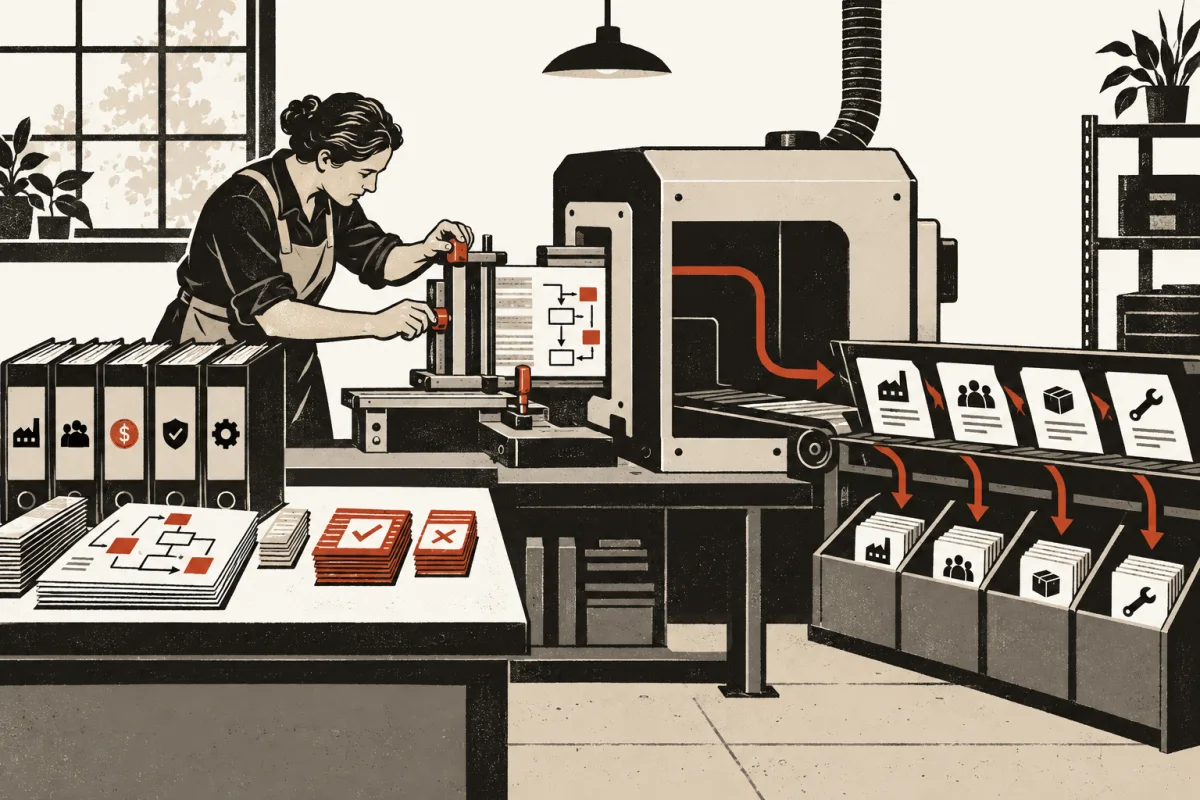
Consider the difference concretely, in a workflow we have built versions of many times: intake. A chatbot can tell you what a good intake process looks like. An agent runs one. It reads the inbound email or web form, notices the missing details, writes back to request them, waits, reads the reply, summarizes the now-complete request, checks the calendar, and routes the job to the right person with the file attached. Six small decisions and four actions, none individually impressive, stitched into something that used to consume the first ninety minutes of somebody’s morning.
The arithmetic of value changes because the machine stops producing suggestions and starts completing work. But hold the thought, because the arithmetic of risk changes by exactly the same mechanism. A chatbot’s worst error is a wrong sentence that a human might catch before acting. An agent’s error executes. The mistaken refund gets issued, the wrong client gets the email, and the fabrication problem described earlier in this series graduates from embarrassing to expensive. Hands multiply value and blast radius together; they are the same hands.
Which is why the entire craft of building agents well concentrates on one design question: where do the hands stop? Every consequential action gets a boundary. Money moving, anything leaving the building under your name, anything irreversible: the agent prepares, a person approves. The well-built agent drafts the awkward collections email and leaves it in a queue with a summary; a human reads, edits, sends. The agent proposes the schedule change; the dispatcher confirms it. The judgment call routes to the person who owns it, every time, by design. The person stays in charge; the software stays in service. In agent work that sentence stops being philosophy and becomes the actual architecture diagram.
Now, the Objection
I know what some of you have been promised, because I have seen the same keynotes: the autonomous business, the AI employee, the company that runs itself while the owner fishes. Here is the truth from the ground. The agents producing real returns in real businesses today are narrow, bounded, and supervised. They own one workflow apiece: intake, invoice follow-up, the reconciliation between two systems that never agreed. The demos of sweeping autonomy are demos; the deployments that survive a year look like very reliable clerks with very clear job descriptions and a manager who checks their work.
That should encourage you, not disappoint you, because narrow and bounded is precisely what a five-to-hundred-person business can adopt without betting the company. You do not need an artificial executive. You need the Friday-afternoon copy-paste marathon to stop existing, and that is a solved problem.
Where the First Agent Goes
The pattern for a sound first deployment has become almost formulaic, and I will give it to you straight. Look for a workflow that is high in volume, low in stakes per instance, rule-describable in its routine cases, and currently eating hours from someone whose judgment you actually need elsewhere. Intake qualifies. Status updates between systems qualify. The first draft of routine follow-up qualifies. Then insist on three properties before it touches anything real: every action it takes is logged where you can read it, every consequential action waits for approval, and a named person owns its output exactly as if a junior employee had produced it.
Run it small, watch it earn trust the way any new hire does, and widen the boundary only as the log proves it deserves widening. The owners who fail with agents skipped the boundary. The owners who succeed treated the agent like what it is: a tireless new employee with perfect recall, no judgment, and no stake in the outcome, working for people who supply all three.
The machine got hands this year. Whose fingerprints end up on the work is still, and permanently, your call.
Where this shows upWhich one your problem needs →